A loud clang in the middle of the night, a door that reverses halfway down while the kids are nearby, or a slow-moving opener that groans like an old pickup truck. Those are the moments Belmont homeowners call for help, and they are the exact situations a proper safety inspection is meant to prevent. At Monacco Garage Door Services we treat inspections as preventative care, not a hurried checkbox. Years of fieldwork across Belmont MA and the surrounding towns taught us to look for patterns, not just broken parts. That approach saves time, cuts down emergency calls, and most importantly lowers risk in a real, measurable way.
Why an inspection matters here goes beyond the obvious. Belmont homes include 19th century houses with clever retrofits, newer neighborhood builds with higher cycle doors, and condos where dozens of cycles happen every day. Each context changes the failure modes. The truss-mounted opener in a vintage garage behaves differently from the torsion-spring systems common on modern sectional doors. Our technicians adapt their inspection to the house, the occupants, and the usage pattern, not only to the model number printed on the motor.
How we prepare before we step into your garage
When a Belmont homeowner schedules an inspection, the appointment starts in our van. We gather the right tools, a spare set of fasteners, a couple of common replacement springs, lubricants, a battery for the remote, and a digital torque wrench. Most important is the inspection checklist we've refined over the past decade. It keeps us consistent while still allowing room for judgment when we encounter unusual setups.
On arrival we first talk with the homeowner. A quick conversation often reveals the real problem: erratic reversing, slow response, noisy bearings, or intermittent remote operation. Those details steer the order and depth of our inspection. If kids or pets are present, we ask the homeowner to secure them; safety begins before we touch the door.
A practical sequence, refined by experience
We follow a practical sequence that balances safety, diagnostics, and efficiency. Below is a short checklist summarizing the steps we take when we inspect a residential garage door in Belmont MA:
- perform a visual sweep for obvious hazards and debris, checking the tracks, rollers, and bottom seal test balance and springs by disconnecting the opener and manually moving the door to mid-height, feeling for smoothness and torque issues examine the opener, including photo-eye alignment, force settings, travel limits, and remote battery/function inspect hardware wear: rollers, hinges, cables, drums, and fasteners, tightening or replacing where safety requires it run full functional tests with the opener reconnected, measuring reverse force and timing, then document findings and recommendations
That checklist is compact by design. We often expand each step depending on what we find. For example, a door that seems balanced can still have a worn cable drum that slips under load. We keep notes on cycle counts when possible. A typical residential torsion spring rated for 10,000 cycles will last about 7 to 10 years under moderate use. If your family consistently cycles the door more than 6 times a day, that expected lifespan drops. We convey those numbers so homeowners understand the trade-off between repairing now and scheduling a proactive spring replacement.
What we look for in the mechanics and why it matters
The springs are the unsung heroes and also the single biggest safety concern. A broken spring can cause a door to drop suddenly with dangerous force. We measure spring condition visually and compare the wire diameter and winding to factory specs when we can. If a spring shows excessive rust, fatigue, or has slipped coils, replacement is the prudent choice. We never recommend a DIY spring swap. Torsion springs store a lot of energy; the wrong tool or technique turns a maintenance task into a trip to the emergency room.
Cables and drums receive close attention because they are interdependent with the springs. Frayed cables indicate uneven tension, often caused by worn drums or misaligned rollers. Small frays will quickly become big problems under the load of the door. We prefer to replace cables proactively if there are more than a few broken strands. Likewise, plastic rollers may look fine until you lift the door and hear clicking or shaking. In high-cycle environments we suggest steel rollers with ball bearings for longevity and quieter operation.
Tracks, hinges, and fasteners are where small problems compound into big failures. A slightly loose hinge will shift the track alignment, accelerate roller wear, and introduce noise. We use a torque checklist for fasteners near the header and for the track supports. When we encounter wood that has rotted or pulled away from framing, we point it out and recommend a carpentry fix before heavier components fail.
How we approach the opener
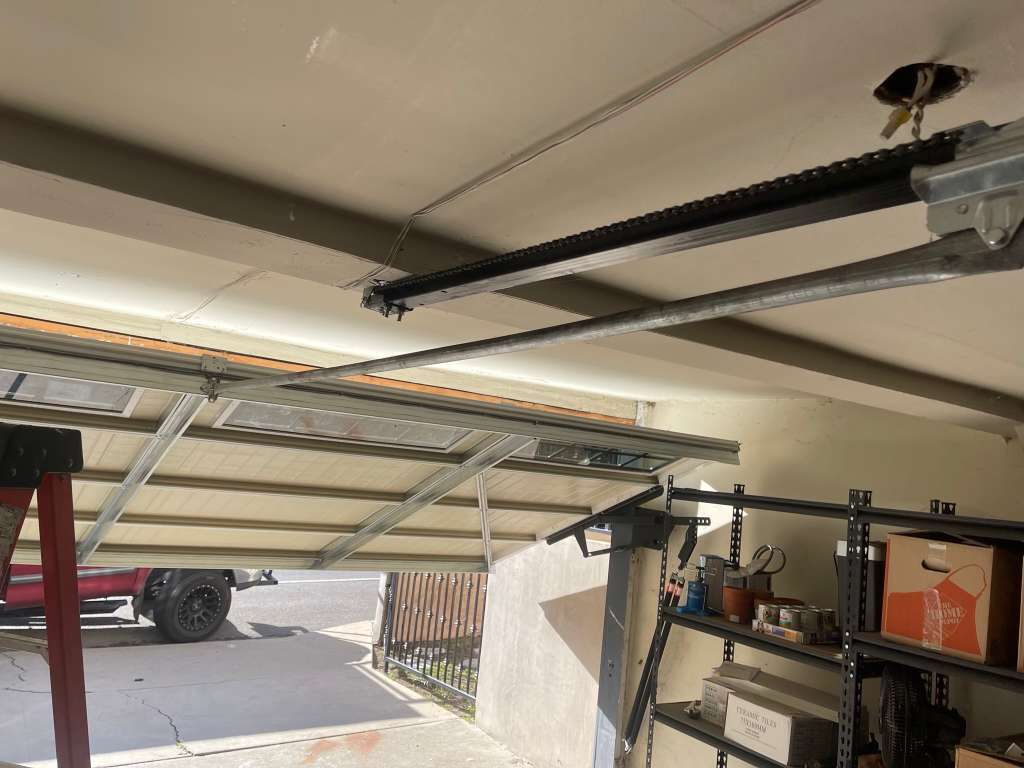
Openers get blamed for every misbehavior, but often they are innocent. A 15-year-old motor may be fine mechanically but have outdated safety settings or fail to communicate correctly with new remotes. We test the opener’s photo-eyes for alignment and cleanliness, then measure the force settings with the proper gauge. A common mistake is to set the opener force too high to mask a spring problem. That defeats a critical safety function, and we call that out clearly.
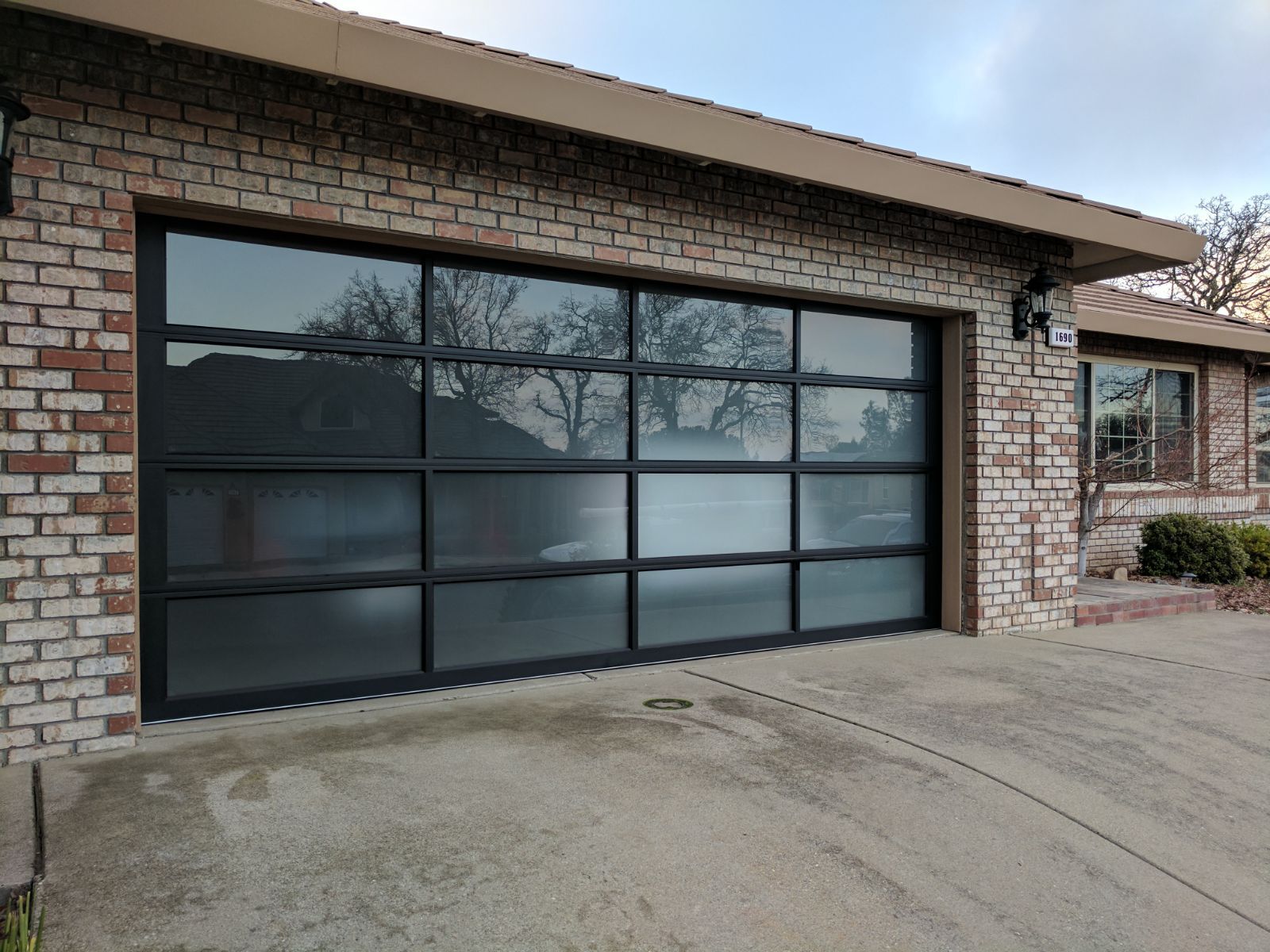
We also check travel limits and travel speed. If a door slows near the bottom or opens unevenly, the motor may be working harder than it should because of friction in the tracks or worn rollers. In many cases, bearing upgrades or a realignment will restore normal operation and delay a costly opener replacement. When an opener does need replacement, we discuss options tailored to the property: chain drive for budget-friendly durability, belt drive for quiet neighborhoods, or screw drive for garages with specific environmental challenges.
Communicating findings so homeowners can make informed decisions
After the physical inspection we walk the homeowner through the findings. That conversation is non-technical but precise. We prioritize safety issues first and clearly indicate what requires immediate attention versus what is elective. For example, a single loose fastener in the header is critical to address now, while an old remote with intermittent range can probably wait until a convenient time.
Pricing and options get presented with transparency. If a spring must be replaced, we provide at least two choices: same-spec replacement for cost efficiency, or upgraded springs rated for more cycles for households who want fewer service visits. We never hide the trade-offs. Upgrading to heavier-duty springs adds upfront cost but reduces the frequency of replacements. For busy families or condominium complexes where the door cycles 15 or more times per day, that upgrade often pays for itself in fewer emergency calls.
A few real examples from Belmont
A recent inspection in a Belmont center home revealed a hidden problem. The homeowner reported a loud bang once every few months. Our inspection found a partially unwound torsion spring that shifted under temperature cycles. That condition was intermittent and therefore dangerous. We replaced the springs proactively and discovered a loose set screw on the original winding cone, probably missed in a prior repair. Fixing it eliminated the bangs and removed a severe hazard.
In a different case on Pleasant Street, a condominium building had chronic opener failures because the building manager had installed lower rated springs to save initially. The result was frequent opener replacements, since the motor was compensating for bad springs. Replacing the springs with correctly rated units reduced opener stress and cut annual maintenance calls by roughly 60 percent.
Common homeowner questions, answered plainly
How often should I have an inspection? For single-family homes we recommend an inspection every 12 months. If your garage door sees heavy use, such as a shared driveway or a business, twice a year is prudent. Seasonal checks before winter often catch problems that moisture and cold would otherwise worsen.
Can I lubricate the door myself? Yes, with Monacco Garage Door Services Garage Door Company Belmont MA caveats. Use a silicone spray or a lithium-based grease recommended for garage doors. Avoid heavy grease on the tracks; that attracts dirt. Lubricate rollers, hinges, and the torsion spring, but not the opener rail unless the manufacturer specifies it. If you notice rust, unusual noise, or binding after lubrication, schedule a professional check.
Is a noisy door dangerous? Not immediately, but noise is often the earliest sign of wear. Clicking, scraping, or grinding suggest component misalignment or failing bearings. Addressing noise early avoids sudden failures later.
How we document and follow up
Every inspection includes a written report. We list what we tested, what passed, and what requires attention, including photographs when helpful. For clients in Belmont MA who schedule regular maintenance with Monacco Garage Door Services, we track cycle counts and previous repairs. That history lets us predict wear patterns and propose replacements at the right time, not under pressure.
We also provide simple instructions for testing reversals. A homeowner can test the safety reverse by placing a 2 by 4 on the floor and lowering the door onto it; the door should reverse on contact. We teach how to test the photo-eyes by waving a cardboard piece through the beam. These checks are quick and empower homeowners to catch problems before they escalate.
Trade-offs we discuss with homeowners
Every repair choice involves trade-offs. Replacing a single worn roller now saves money today, but upgrading to sealed bearing steel rollers reduces noise and the need for service visits. Choosing a less expensive spring shortens life expectancy. Opting for a quiet belt drive opener costs more, but in a close-knit Belmont neighborhood the lower noise level improves daily living quality.
We never pressure homeowners into the highest-priced option. Instead we explain the life expectancy, typical costs per year, and how usage patterns affect those numbers. People appreciate real numbers. Saying a spring rated for 25,000 cycles will last "many years" is less useful than saying it will typically last 10 to 15 years at 6 Garage Door Company Belmont MA cycles per day, or about 4 to 7 years at 15 cycles per day.
Why choose Monacco Garage Door Services in Belmont MA
Experience in Belmont matters. Narrow streets, older framing details, and the expectations of nearby neighbors influence how we work. Monacco Garage Door Services brings technicians who have handled everything from century-old carriage house doors to modern insulated sectional systems. We carry parts that match the mix of equipment we see most often, and we maintain clear pricing. That combination reduces the time on site and the need for return trips.
We also prioritize safety training. Technicians refresh their understanding of torsion spring handling, opener force standards, and local code updates. That discipline shows up in fewer callbacks and a lower rate of emergency repairs. For homeowners, it means an inspection is more than a courtesy visit—it is a risk reduction plan tailored to the house and the people in it.
When to call us for an inspection
Call us if the door stops moving smoothly, if you hear unusual noises, if the door reverses unpredictably, or if a spring shows visible damage. If you just moved into a Belmont home and are unsure about the garage history, schedule an inspection. It is often cheaper to do a full assessment when you buy a house than to wait for the first failure.
Scheduling is flexible. We provide weekend slots because garage problems do not only happen on weekdays. For routine inspections we plan about 45 to 60 minutes. For older systems or commercial doors the visit can take longer, and we notify clients upfront.
A final practical point
A safety inspection is only as good as the follow-up. If we identify a safety-critical flaw, we give clear options and a recommended timeline. If replacement parts are required, we explain the expected turnaround. Homeowners who treat inspections as part of regular home maintenance end up spending less over five years compared with reactive repairs.
Monacco Garage Door Services aims to be a partner for Belmont homeowners, not a one-off vendor. Our inspections are thorough but practical, grounded in hands-on experience with the specific challenges Belmont homes present. If you want an inspection that gives you options, clear explanations, and safety-first solutions, our team stands ready to help.
Monacco Garage Door Services
687 Belmont St Rear, Unit A, Belmont, MA 02478
[email protected]
(617) 927-9512
https://monaccogaragedoorservice.com/